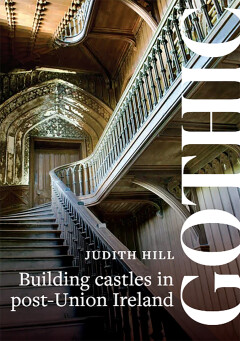
Castles speak. Especially in an age when they are no longer necessary. The Act of Union of 1800, which brought Ireland into closer association with Britain, cha…
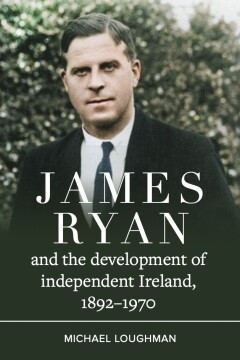
Few figures in twentieth-century Ireland remained at the centre of Irish public life as long as James Ryan. First coming to prominence as the GPO’s medical offi…
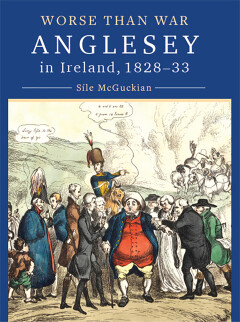
Henry Paget, 1st Marquess Anglesey (1768–1854), was a war hero who had fought alongside the duke of Wellington at the battle of Waterloo. A glamorous and engagi…
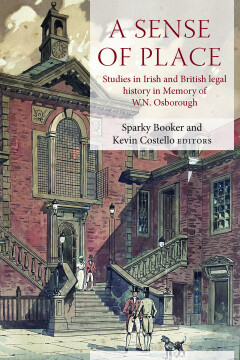
W.N. Osborough was described by the Irish Times on his death in 2020 as Ireland’s ‘greatest legal historian’. He wrote prolifically on Irish legal history and c…
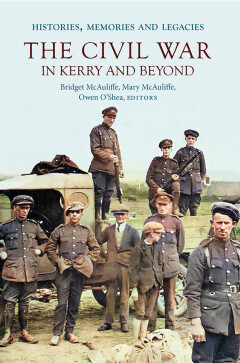
The Irish Civil War was fought with a greater intensity, violence and longevity in Co. Kerry than in any other Irish county, leaving behind a bitter and divisiv…
During a robbery on 10 March 1844, 14-year-old servant Mary Doherty was murdered in a farmhouse near Culdaff, Co. Donegal. There was no doubt locally about the …
Industrial Yarns Ltd, a large textiles factory and one of Seán Lemass’s flagship industrial projects, provided well-paid employment for hundreds of workers in B…
A ballad about a woman street trader is widely regarded as Dublin’s anthem, yet the city’s relationship with those who traded on its streets was often acrimonio…
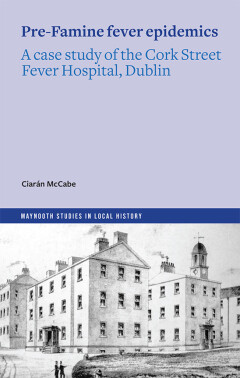
This book explores the workings of the Cork Street Fever Hospital in Dublin’s south-western quarter in the decades after its opening in May 1804. The foundation…
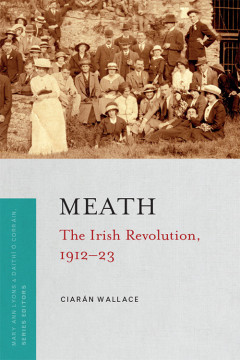
This book looks at life in Meath during the turmoil of the Irish Revolution. As politics, war and revolution intruded on their daily routine, some people embrac…
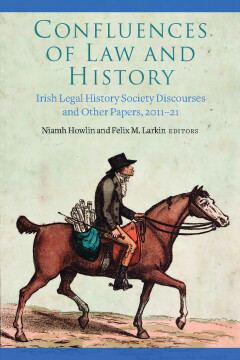
This book brings together an eclectic mix of papers on aspects of Irish legal history from the early modern period to the twentieth century. Contributors to the…
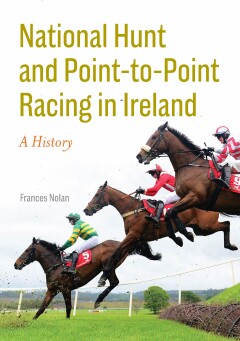
The Irish people have a deep affinity for horses and an enduring passion for the sport they make possible. Jump racing - often regarded as the "poor relation" o…