Many people have helped create Dublin’s unique streetscapes. This book looks at the builders and their projects and draws on the extraordinarily rich photograph…
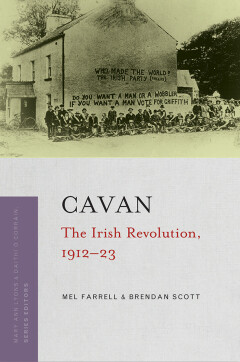
Located in south Ulster adjacent to Counties Fermanagh and Monaghan, but also bordering Leitrim in north Connacht and the three north Leinster counties of Longf…
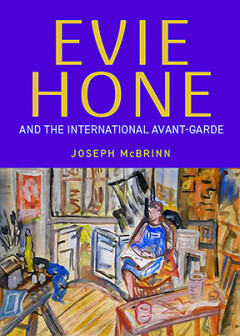
Evie Hone (1894–1955) is one of the few figures in Irish art history to have become a household name, to have found international fame and to have been describe…
This book will shed new light on the Dublin-born artist, Francis Bacon (1909-92), and explore how the complex origins of Bacon’s artistic life can be traced to …
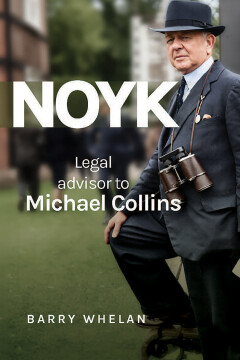
Michael Noyk was a Jewish immigrant from Lithuania who came to Ireland as a small child. Embarking on a career as a solicitor he gained the trust of Arthur Grif…
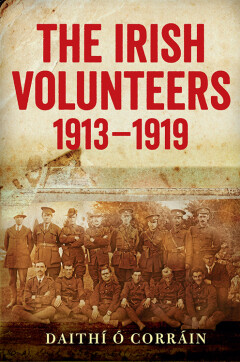
No organization was more central to the history of Ireland in the 20th century than the Irish Volunteers. This is the first authoritative history of that body f…
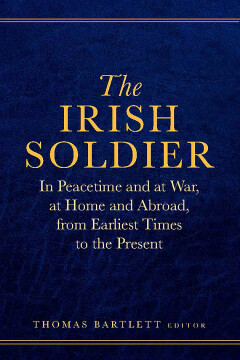
This edited volume presents some thirty chapters by a team of international scholars reviewing the Irish military experience throughout the world over the past …
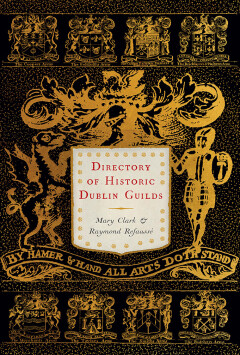
Guilds were mutual benefit associations which flourished in the towns and cities of medieval Europe. The guild system was brought to Dublin by the Normans in th…
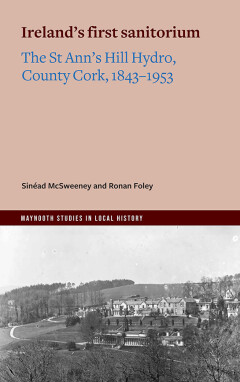
The St Ann’s Hill Hydropathic Establishment, or The Hydro, was Ireland’s first and pre-eminent sanitorium. The Hydro was built in Co. Cork in 1843 and closed it…
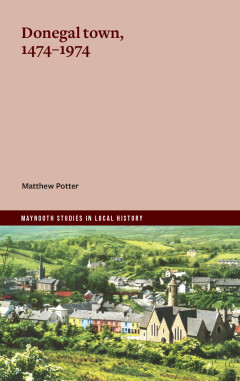
Donegal town is one of the most historic places in Ireland, and has given its name to Co. Donegal. It has been a Gaelic town, a Plantation town, an estate town …
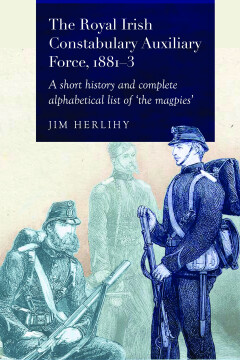
To augment the Royal Irish Constabulary during the Land War, 1879–82, a new auxiliary police force was raised, entitled the Royal Irish Constabulary Auxiliary F…
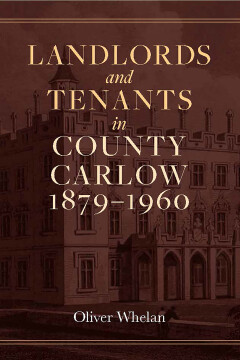
This book chronicles the ending of landlordism in Carlow. In the depression of the late 1870s tenants were supported by town merchants in their efforts to secur…