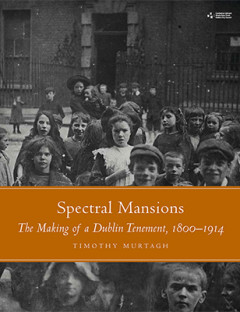
Many people have helped create Dublin’s unique streetscapes. This book looks at the builders and their projects and draws on the extraordinarily rich photograph…
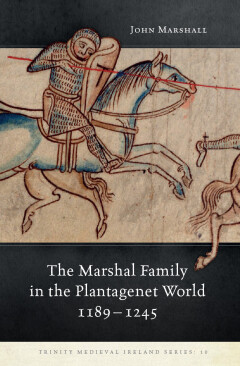
This monograph provides the first book-length transnational history of the Marshal family between the 1189 marriage of the flower of chivalry William Marshal to…
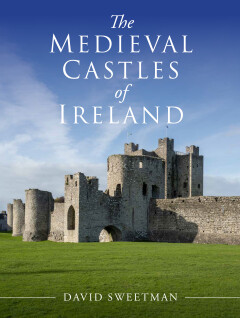
While ‘an Englishman’s home is his castle’, in Ireland virtually all castles were built for defensive purposes. The medieval castles of Ireland traces the devel…
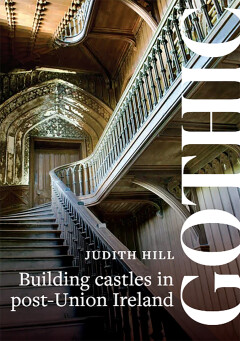
Click below for a sneaky glimpse of the insides of this stunning new book. https://online.flippingbook.com/view/170164431/ Castles speak. Especially in an age…
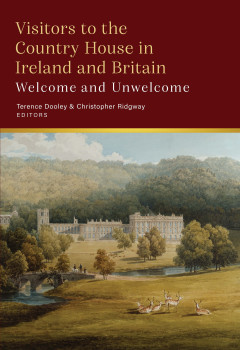
Country houses have always been magnets for visitors. In early days individuals with the correct social credentials could gain entry, while visitors such as roy…
In 1800, Dublin was one of the largest and most impressive cities in Europe. The city’s town houses and squares represented the pinnacle of Georgian elegance. H…
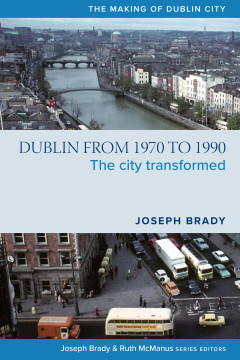
Dublin’s footprint grew steadily during the 1970s with housing transforming the landscape of the west of the city, especially in Tallaght, Clondalkin and Blanch…
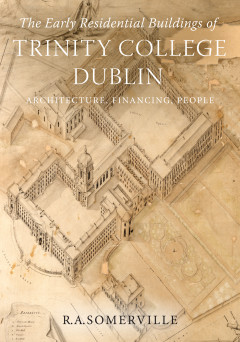
This book contains a history of the early buildings of Trinity College, from the Elizabethan Quadrangle up to the residential ranges of the early eighteenth cen…
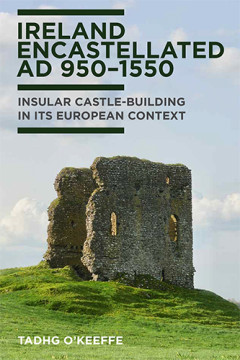
Despite an ever-expanding literature on Irish castles, the relationships between the castle-building tradition in Ireland and those of contemporary Europe have …
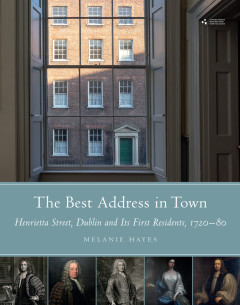
Once Dublin’s most exclusive residential street, throughout the eighteenth century Henrietta Street was home to the country’s foremost figures from church, mili…
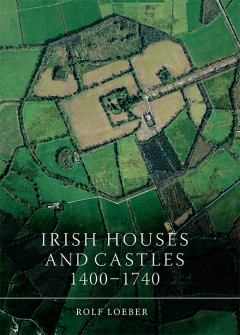
This volume assembles Rolf Loeber’s groundbreaking articles on Irish houses and castles from the late medieval period to the mid eighteenth century. Read togeth…
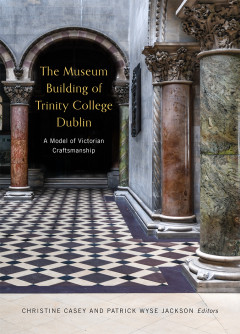
This volume addresses the most influential Victorian building in the city of Dublin and explores the new standard which it set in the use of Irish decorative st…