In 1951, the first ever Wexford Opera Festival (now known as ‘Wexford Festival Opera’) took place in a small town in the southeast corner of Ireland. What start…
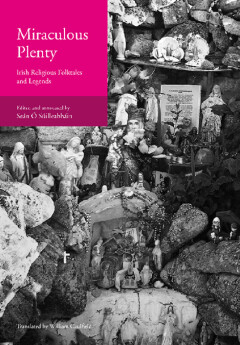
For over fifteen hundred years, Ireland has been predominantly Christian. Religion has been a continuous force in various aspects of Irish life. As one might ex…
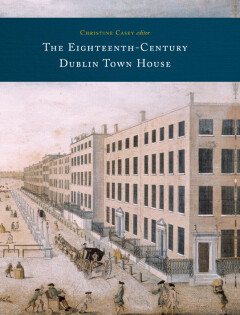
In the 18th century Dublin grew spectacularly; in the last quarter of a century, understanding of that growth has increased enormously. This book brings togethe…
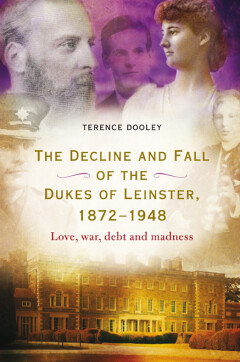
This book tells the story of the decline and fall of Ireland’s premier aristocratic family – the dukes of Leinster – who, for almost 300 years, lived amidst glo…
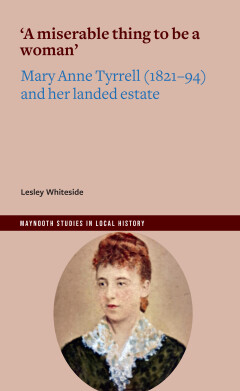
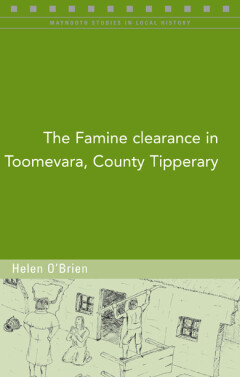
On 28 May 1849 at the height of the Great Famine, one of the country’s darkest periods, over 500 people were cruelly evicted from the village of Toomevara, coun…
This book looks at Ireland’s love affair with claret, which began in earnest with the establishment of Irish families in the wine trade in Bordeaux in the early…
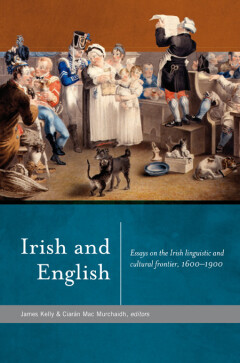
The transformation of Ireland from a predominantly Irish-speaking country to a primarily English-speaking country was the most profound social change to take pl…
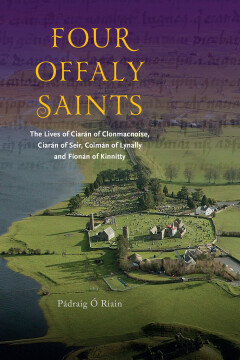
Lying just south of the line that divided Ireland’s two halves, Leath Chuinn to the north and Leath Mhogha to the south, the churches of the present county of O…
The Dublin Cattle Market was an institution in the Irish livestock sector of the 1950s. Located between Prussia Street and the North Circular Road, the market s…
Henry Paget, 1st Marquess Anglesey (1768–1854), was a war hero who had fought alongside the duke of Wellington at the battle of Waterloo. A glamorous and engagi…