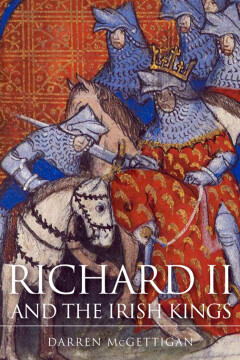
Most late-medieval kings of England showed little interest in their lordship of Ireland. They showed even less interest in the Gaelic Irish population of the is…
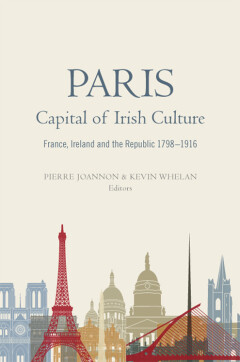
This volume explores the influence of Paris and France on the evolution of Irish political and cultural thought from the eighteenth to the twentieth centuries, …
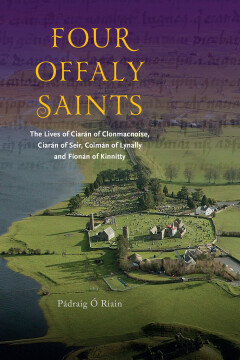
Lying just south of the line that divided Ireland’s two halves, Leath Chuinn to the north and Leath Mhogha to the south, the churches of the present county of O…
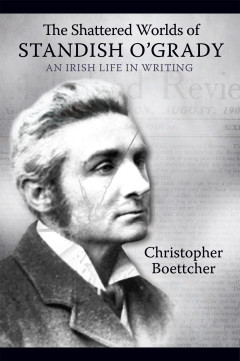
Standish O’Grady (1846–1928) is best remembered as the ‘Father of the Irish Literary Revival’. Critics of have long puzzled, however, about the turns and contra…
The extent and duration of interpreter provision for Irish speakers appearing in court in the long nineteenth century have long been a conundrum. In 1737 the Ad…
Despite an ever-expanding literature on Irish castles, the relationships between the castle-building tradition in Ireland and those of contemporary Europe have …
Imprisoned during the War of Independence, Peadar Cowan accepted the Anglo-Irish Treaty and served as an officer in the Irish army until 1931. While based in At…
In December 1922 General Nevil Macready sailed away from Dublin for the last time, marking the end of British rule in most of Ireland. Macready was the last in …
As Ireland descended into war in 1689, Londonderry was isolated and besieged. Unable to stop the Irish advance or to control the “ungovernable rabble” that floo…
This book, first published in 1997, examines all aspects of Irish ringforts – their shape and size, their date and function – with special attention to national…