
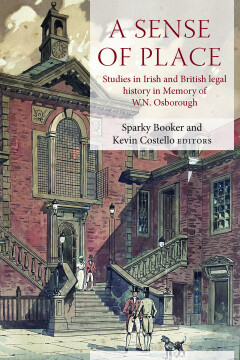
W.N. Osborough was described by the Irish Times on his death in 2020 as Ireland’s ‘greatest legal historian’. He wrote prolifically on Irish legal history and c…
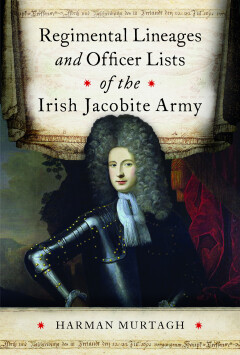
Although numbers varied, at any one time the Irish Jacobite army mustered about forty-five regiments of infantry and nineteen of cavalry and dragoons. In all, j…
Collecting essays from leading international academic experts on St Brigit of Kildare and early medieval Ireland, this book marks a unique historical and schola…
Click below for a sneaky glimpse of the insides of this stunning new book. https://online.flippingbook.com/view/1071123635/ At the dawn of history the Celts o…
Few figures in twentieth-century Ireland remained at the centre of Irish public life as long as James Ryan. First coming to prominence as the GPO’s medical offi…
Castles speak. Especially in an age when they are no longer necessary. The act of union of 1800, which brought Ireland into closer association with Britain, cha…
The late 1860s and the 1870s are important years in the history of the Irish judiciary, and for the structure and culture of the courts. On New Year’s Day 1878 …
Lord Anglesey was a war hero and a glamorous figure in London society when he was appointed lord lieutenant of Ireland in 1828. Within months of his arrival he …
Events in the ‘Rebel County’ of Cork have played a central role in popular memory and historiography of the Irish Revolution. The county contributes some of the…
Frances Walsingham was the only surviving daughter of an Elizabethan secretary of state, Sir Francis Walsingham. In modern times Frances has enjoyed numerous ca…