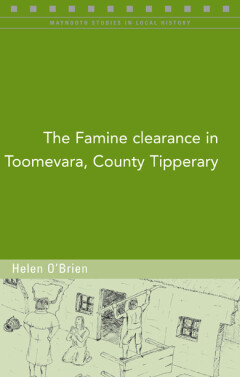
On 28 May 1849 at the height of the Great Famine, one of the country’s darkest periods, over 500 people were cruelly evicted from the village of Toomevara, coun…
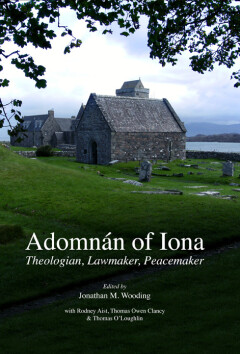
With Rodney Aist, Thomas Clancy & Thomas O'Loughlin. The abbot of Iona in the late 7th century, Adomnán, a kinsmen of the founder St Columba, was one of the mo…
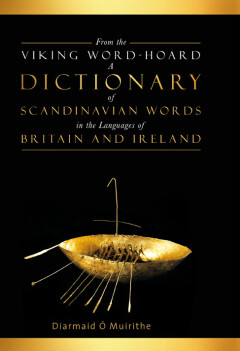
At the beginning of the 9th century the growing population of the three great branches of the Scandinavian race who people the countries abutting the Baltic – t…
Irish Kings and High-Kings is an analysis of the nature of early Irish kingship, using annalistic and genealogical material to interpret Irish saga and legend.P…
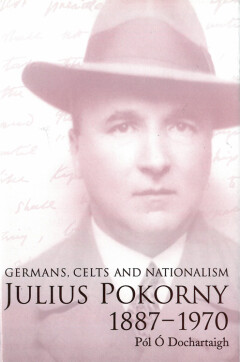
Julius Pokorny (1887–1970) was the foremost Celtic scholar of his generation on the European mainland. Born in Prague, he studied at Vienna University, and lear…
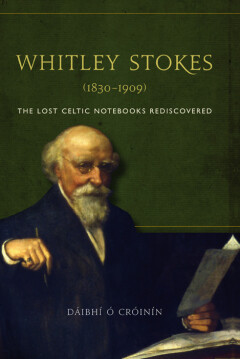
Whitley Stokes was described as ‘the greatest of living Celtic philologists’. After legal studies he practised as an equity draughtsman and conveyancer and duri…
Howlett charts a tradition of thought and composition from the fifth century to the thirteenth, from the Romano-British writers Pelagius, St Patrick, and Faustu…
The earliest writing in Ireland is in the form of ogham inscriptions, carved along the edges of numerous stones found throughout the country, with a strong conc…
New Paperback edition, with a new foreword by Tomás Ó Cathasaigh Irish poetry is unique in the Middle Ages in freshness of spirit and perfection of form.' So w…
This book presents a collection of texts, translated from both Latin and Irish, which provide a many-faceted view of the religious culture of Ireland in the ear…