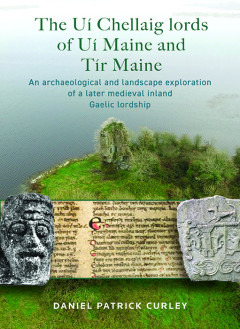
The Ó Cellaig (O’Kelly) lordship of Uí Maine and Tír Maine was a substantial political territory and influential cultural power in later medieval Connacht. This…
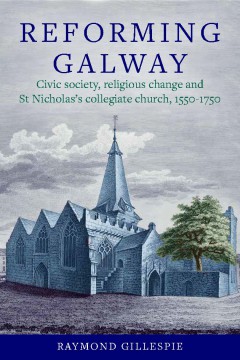
This book explores a new way of looking at the reformation in Ireland. Traditionally Irish historians have described early modern religious change on a national…
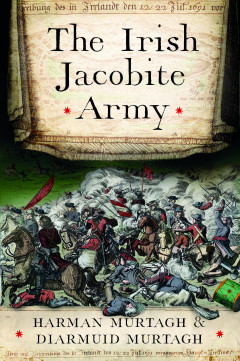
The Irish Jacobite army was the largest body of Irish soldiers ever to go into battle prior to the twentieth century. Although largely a new force, for three ye…
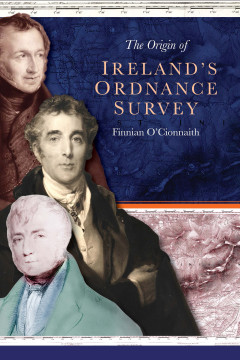
Since 1824, the Ordnance Survey (now Tailte Éireann and OSNI) has become the essence of cartographic accuracy in Ireland, documenting the ever-changing relation…
Shortlisted for the Michel Déon Prize for non-fiction. Winner to be announced in October 2026. Winner of the NUI Irish Historical Research Prize 2025 Winner o…
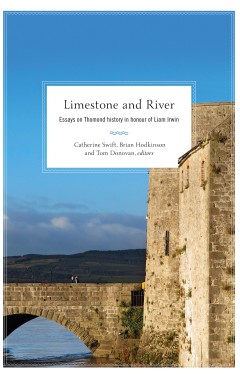
From Viking trading place to modern hi-tech city, Limerick’s long history as Ireland’s oldest Atlantic port has been played out against its natural backdrop of …
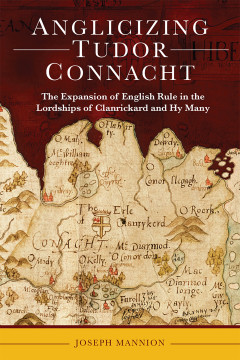
At the beginning of the sixteenth century, the south Connacht lordships of Clanrickard and Hy Many lay beyond the effective control of the Tudor government. Cla…
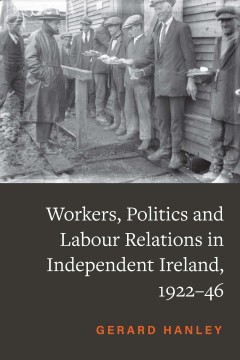
This book assesses the position of workers, trade unionism and labour relations from the foundation of the Irish Free State to the establishment of the Labour C…
This book situates harping activity as a vital aspect of music making in traditions around the world. Contributors: Helen Lawlor (TU Dublin); Sandra Joyce (UL)…
St Brigid is the earliest and best-known of the female saints of Ireland. In the generation after St Patrick, she established a monastery for men and women at K…
In 1912, Fermanagh lay awkwardly between two competing and often hostile communities – the Ulster unionists in the north and the Irish nationalists in the south…
This book tells the story of the reclusive stained glass artist, raised in a Dublin tenement, who ahead of Harry Clarke, Wilhelmina Geddes and Evie Hone, establ…