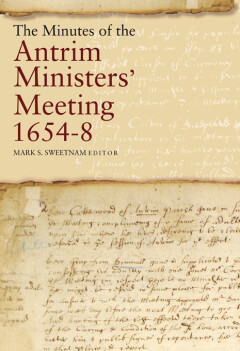
These minutes record the business conducted at the regular meetings of the Presbyterian ministers and elders who formed the leadership of the predominantly Ulst…
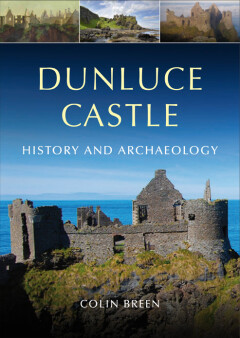
Dunluce Castle, dramatically positioned on cliffs that plunge straight into the sea, was for centuries at the centre of a maritime lordship encompassing north U…
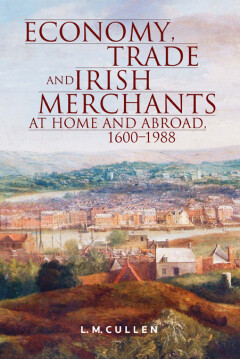
Professor Cullen’s writing over a long career has had a profound effect on the interpretation of Irish history. It has also been characterized by an extended ch…
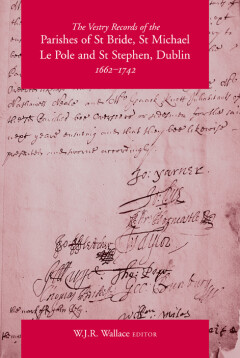
This is the fifth volume in the RCB Library ‘Texts and Calendars’ series. Like the earlier volumes, it seeks to make key texts for the history of the Church of …
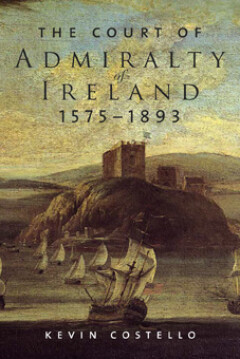
In 1575 the Lord Admiral of England, Edward Clinton, appointed Ambrose Forth as the first judge of the Admiralty in Ireland. Between 1575 and 1893 an independen…
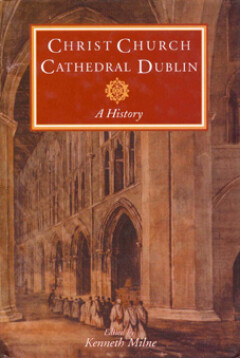
The cathedral of the Holy Trinity, Dublin, commonly called Christ Church, is by Irish standards rich in archival and architectural remains, and so it comes as s…
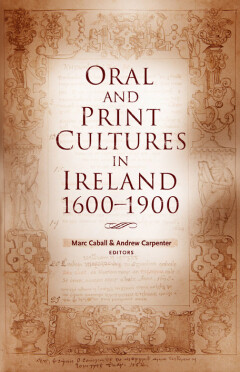
On the whole, surprisingly little work has been done on how the oral, the manuscript and the printed interacted with each other in Ireland between 1600 and 1900…
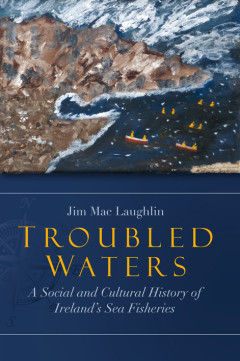
This is the most comprehensive study of the history of sea fishing in Ireland to date. It charts the evolution of fisheries from the earliest times, and discuss…
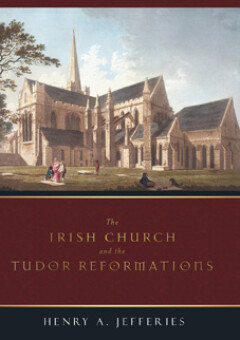
This book presents a new interpretation of the state of the Irish Church before the Tudor reformations. Part I shows that the Irish Church, far from being in de…
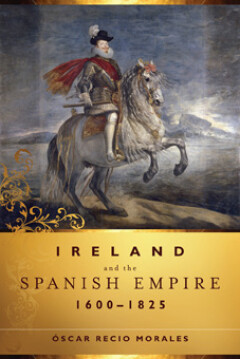
This book has been selected by Choice, a journal which provides book reviews for academic libraries, to be part of their annual Outstanding Academic Title list.…
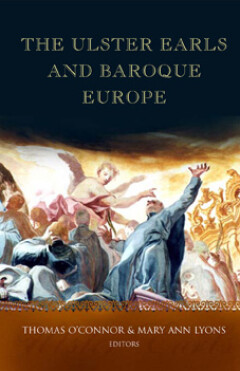
Interest in the Irish in Europe in the early modern period has quickened in recent years, facilitated by better funding, increased research co-operation and enh…
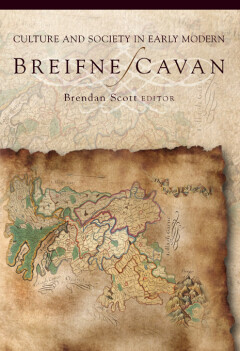
The Breifne region of south Ulster/north Connacht (roughly, modern-day Counties Cavan and Leitrim), has been a traditional buffer zone throughout the late medie…