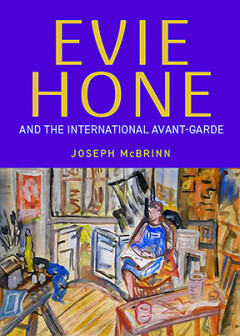
Evie Hone (1894–1955) is one of the few figures in Irish art history to have become a household name, to have found international fame and to have been describe…
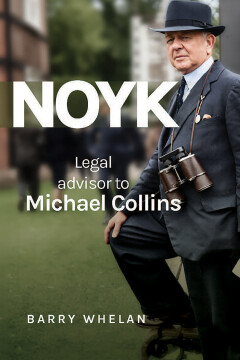
Michael Noyk was a Jewish immigrant from Lithuania who came to Ireland as a small child. Embarking on a career as a solicitor he gained the trust of Arthur Grif…
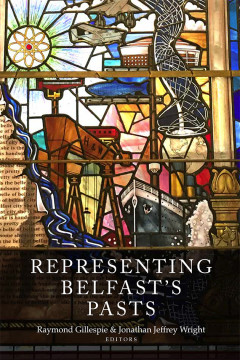
From port to commercial centre, and from textile town to centre of shipbuilding, Belfast has adapted, chameleon-like, to changing circumstances. Each of these c…
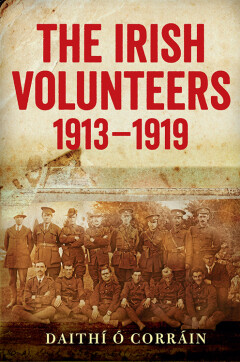
No organization was more central to the history of Ireland in the 20th century than the Irish Volunteers. This is the first authoritative history of that body f…
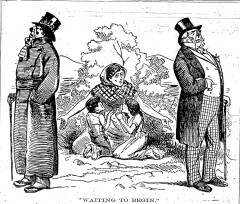
The Little Famine of 1880 resulted from disastrous harvest failures in Ireland in the late 1870s. Hunger and poverty were evident throughout the country and a r…
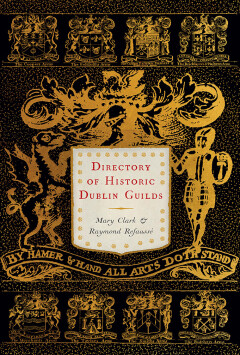
Guilds were mutual benefit associations which flourished in the towns and cities of medieval Europe. The guild system was brought to Dublin by the Normans in th…
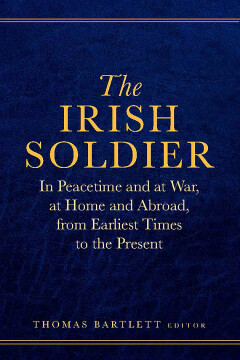
This edited volume presents some thirty chapters by a team of international scholars reviewing the Irish military experience throughout the world over the past …
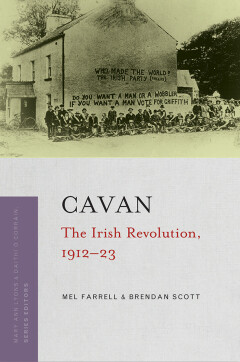
Located in south Ulster adjacent to Counties Fermanagh and Monaghan, but also bordering Leitrim in north Connacht and the three north Leinster counties of Longf…
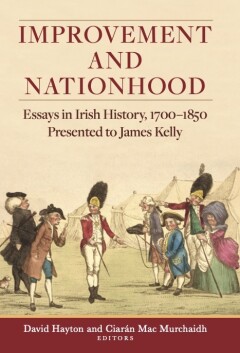
This collection of essays explores various aspects of Irish life from the beginning of the eighteenth century until the Great Famine, reflecting the interests a…
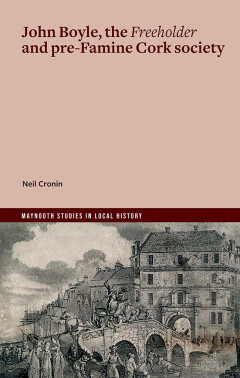
John Boyle was an orphan with a difficult upbringing, impoverished and a social misfit, yet he achieved great prominence in early nineteenth-century Cork. A dis…
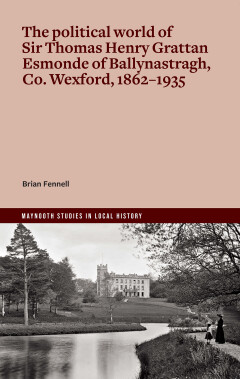
Politically active from 1885 to 1934, Thomas Henry Grattan Esmonde’s career spanned the home rule struggle, the First World War, the revolutionary decade and th…
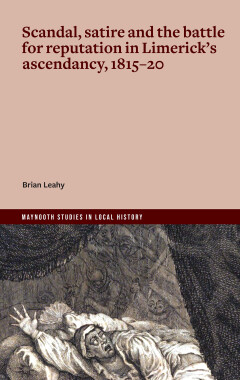
This gripping account unravels the explosive feud between barrister-poet Thomas Grady, the controversial banker George Evans Bruce, and the politically ambitiou…