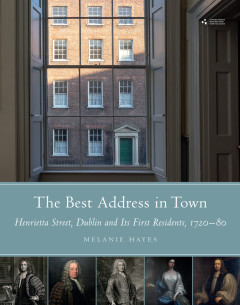
Once Dublin’s most exclusive residential street, throughout the eighteenth century Henrietta Street was home to the country’s foremost figures from church, mili…
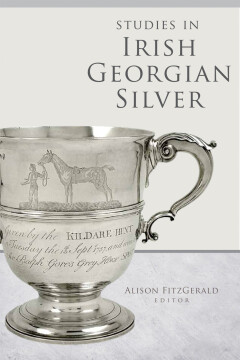
Irish silver, for long renowned among collectors and connoisseurs, is increasingly being considered as an aspect of the material world of the past. Its making, …
This book charts the plantation town of Belturbet from its inception in the early seventeenth century up to the early eighteenth century. It was a period of pro…
Through an examination of the estate records, this case study provides an insight into the adaption and survival of a Catholic-owned estate during two tumultuou…
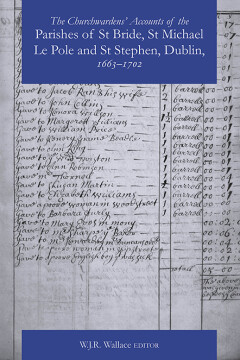
The parish of St Bride, united with the parishes of St Michael Le Pole and St Stephen, served an area just outside the Dublin city walls, based around Bride Str…
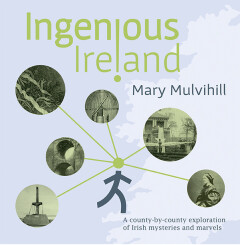
Ingenious Ireland is a unique study of this country’s natural wonders, clever inventions and historic industries. Richly illustrated, meticulously researched an…
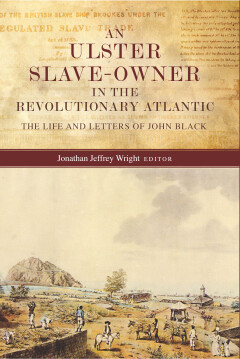
Born in Ulster, John Black left Ireland for the West Indies in 1771 and never returned. Settling first in Grenada, he moved on to Trinidad in 1784 and establish…
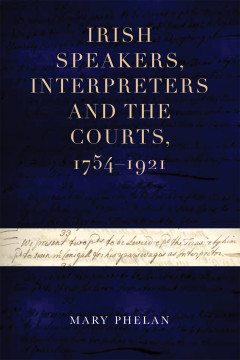
The extent and duration of interpreter provision for Irish speakers appearing in court in the long nineteenth century have long been a conundrum. In 1737 the Ad…
This book makes available the previously unpublished correspondence of Michael Keane, an eighteenth-century Irish attorney general of St Vincent. From Ballylon…
The story of the United Irish rebellions in a hitherto quiet corner of south-west County Dublin is a story of personal resentments fuelled by the spread of radi…
The new Protestant settlement in the lordship of Clonmore, centred around Hacketstown, proved resilient to the 1641 rebellion and attracted investment, includin…
A County Wexford Ascendancy house saved twice by rebel intervention, in 1798 and 1922, Monksgrange tells a compelling story of Irish history from the eighteenth…