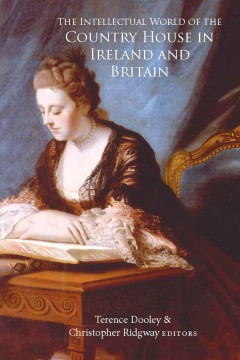
Country houses may be triumphs of architecture, fine and decorative art, and landscape design, but they are also about the history and transmission of ideas. In…
This collection of focused, cohesive and persuasive essays is based on the newest research on gender, sexuality and sexual politics. It offers historical reflec…
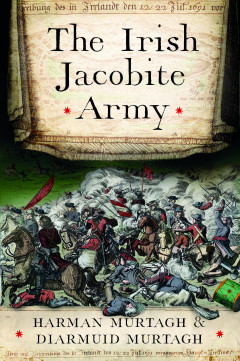
The Irish Jacobite army was the largest body of Irish soldiers ever to go into battle prior to the twentieth century. Although largely a new force, for three ye…
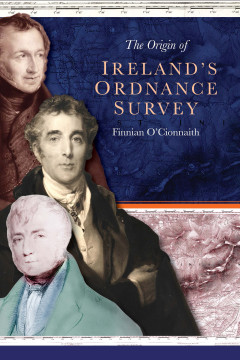
Since 1824, the Ordnance Survey (now Tailte Éireann and OSNI) has become the essence of cartographic accuracy in Ireland, documenting the ever-changing relation…
Shortlisted for the Michel Déon Prize for non-fiction. Winner to be announced in October 2026. Winner of the NUI Irish Historical Research Prize 2025 Winner o…
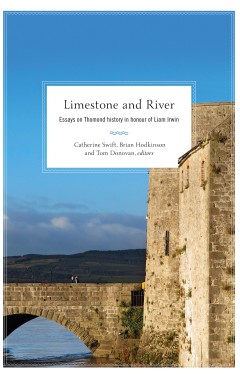
From Viking trading place to modern hi-tech city, Limerick’s long history as Ireland’s oldest Atlantic port has been played out against its natural backdrop of …
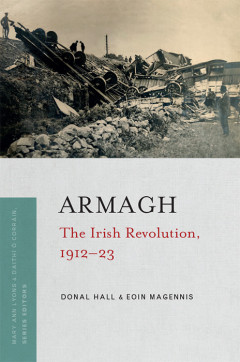
County Armagh was one of the most controversial theatres of political and military conflict during the 1912–23 period. The county’s long-standing antipathy betw…
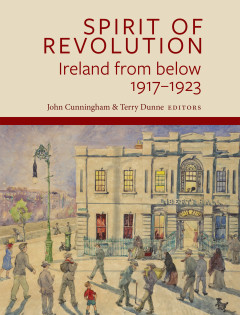
In the spring of 1919, UK Prime Minister David Lloyd George wrote: ‘The whole of Europe is filled with the spirit of revolution. There is a deep sense not only …
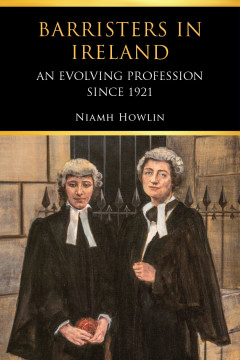
Barristers played significant roles in Irish public life in the twentieth century as lawmakers, politicians, civil servants, broadcasters, judges, academics and…
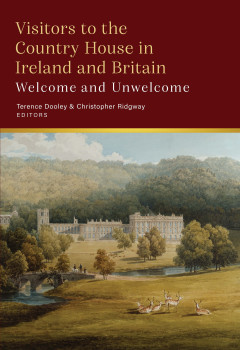
Country houses have always been magnets for visitors. In early days individuals with the correct social credentials could gain entry, while visitors such as roy…
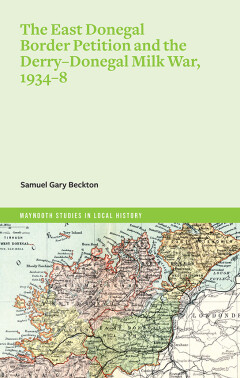
In November 1934, 7,368 Protestants in east Donegal signed a Unionist petition to the British and Northern Irish governments requesting to transfer their region…
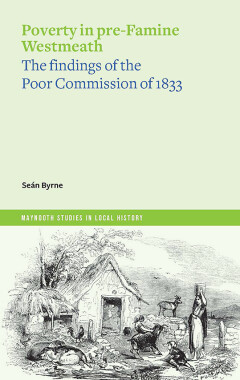
The scale of the Great Famine of 1846 has overshadowed the prevalence of extreme poverty in Ireland in the period 1815–45. As economic conditions deteriorated b…