Collecting essays from leading international academic experts on St Brigit of Kildare and early medieval Ireland, this book marks a unique historical and schola…
Castles speak. Especially in an age when they are no longer necessary. The act of union of 1800, which brought Ireland into closer association with Britain, cha…
The late 1860s and the 1870s are important years in the history of the Irish judiciary, and for the structure and culture of the courts. On New Year’s Day 1878 …
Although numbers varied, at any one time the Irish Jacobite army mustered about forty-five regiments of infantry and nineteen of cavalry and dragoons. In all, j…
Frances Walsingham was the only surviving daughter of an Elizabethan secretary of state, Sir Francis Walsingham. In modern times Frances has enjoyed numerous ca…
In this volume, the proceedings of the second Trinity Medieval Ireland Symposium (marking the 700th anniversary of the invasion of Ireland by Edward, brother of…
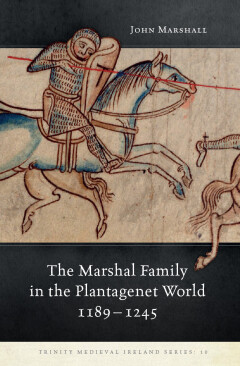
May 2nd, 2019, marked the 850th anniversary of the first landing in Co. Wexford in 1169 of the Anglo-Norman adventurers enlisted by the king of Leinster, Diarma…
Moynagh Lough is one of the most significant archaeological sites ever discovered in Ireland. From 1980 to 1998 excavations were directed by John Bradley. This …
Events in the ‘Rebel County’ of Cork have played a central role in popular memory and historiography of the Irish Revolution. The county contributes some of the…
Dublin’s Tholsel Court was a recourse for creditors to bring debtors to account. Ranging from the 16th to the 18th centuries, although fragmentary in nature, th…
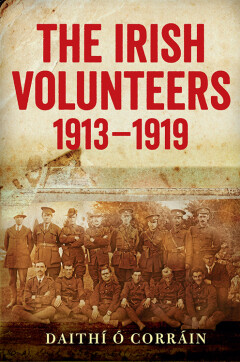
No organization was more central to the history of Ireland in the 20th century than the Irish Volunteers. This is the first authoritative history of that body f…
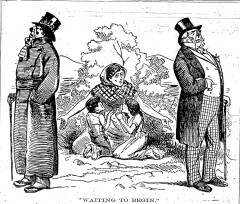
The Little Famine of 1880 resulted from disastrous harvest failures in Ireland in the late 1870s. Hunger and poverty were evident throughout the country and a r…